Boosting Agility in Complex Systems with Microservices
How Microservices Improve Agility in Complex Systems
In the rapidly evolving landscape of IT solutions and technologies, agility has become more than just a buzzword; it's a crucial element for success. Organizations are increasingly turning to microservices architecture to enhance their agility and manage the complexities of modern systems. In this blog post, we will delve into how microservices can improve agility in complex systems, offering insights into their benefits and implementation strategies.
Understanding Microservices Architecture
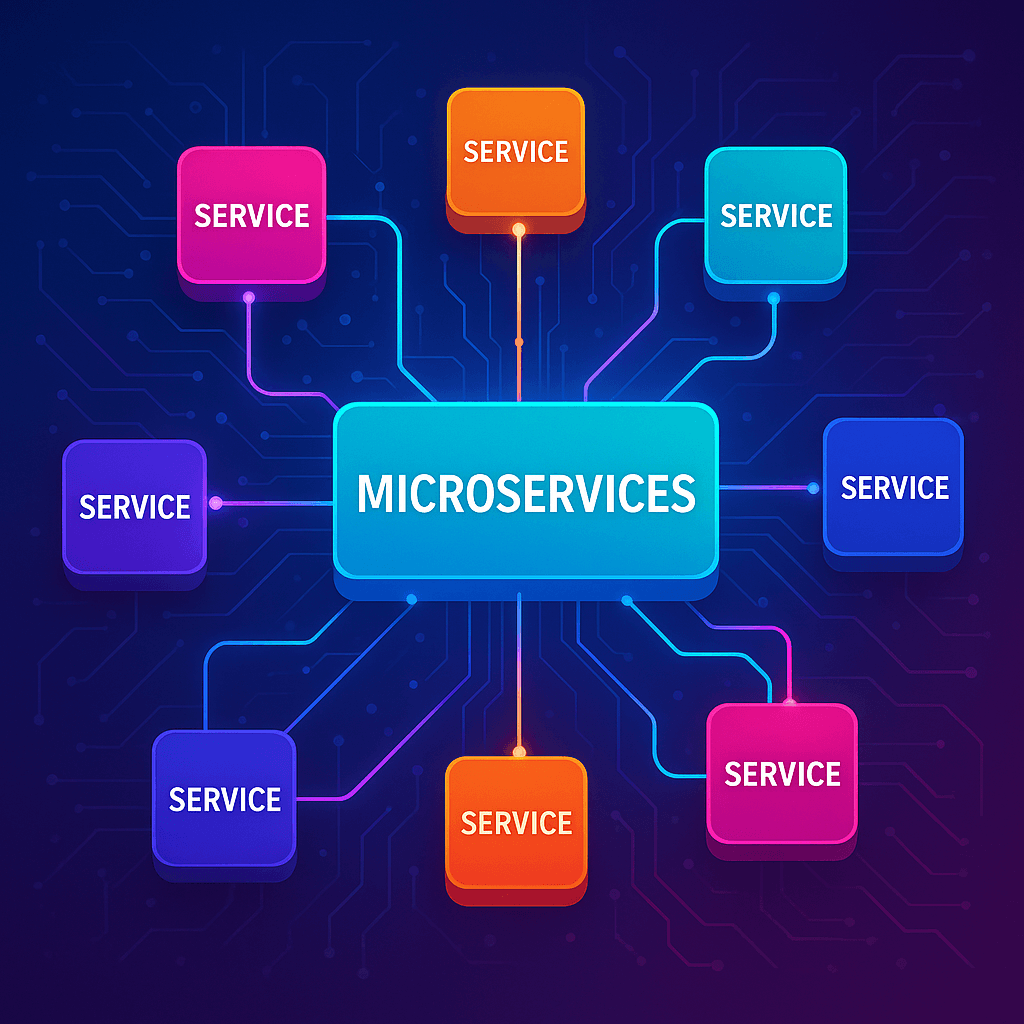
Microservices architecture is a design style that structures an application as a collection of loosely coupled services. Each service is fine-grained and the protocols are lightweight. This approach is in stark contrast to the traditional monolithic architecture, where all components are interconnected and interdependent.
The Core Principles of Microservices
- Independence: Each microservice operates independently, allowing for isolated development, deployment, and scaling.
- Resilience: Failure in one service does not necessarily affect the entire system, enhancing overall resilience.
- Flexibility: Microservices can be developed using different technologies, offering flexibility in choosing the best tools for each task.
Enhancing Agility Through Microservices
Agility in software development refers to the ability to quickly adapt to changes, whether they are market-driven or stem from technical advancements. Microservices play a pivotal role in enhancing this agility in several ways:
Faster Deployment and Scaling
One of the key advantages of microservices is the ability to deploy and scale services independently. This means that teams can push updates or scale specific parts of the application without affecting the entire system. Consequently, organizations can respond swiftly to user demands and market changes.
Improved Fault Isolation
In traditional monolithic systems, a single component failure can potentially bring down the entire application. Microservices architecture isolates faults to individual services, minimizing the impact on the overall system. This isolation not only improves system resilience but also allows for quicker recovery and troubleshooting.
Facilitating Continuous Delivery
Microservices enable continuous delivery practices by supporting small, incremental changes. Developers can focus on specific services, test them thoroughly, and deploy them independently. This continuous integration and deployment pipeline enhances agility by allowing organizations to release new features and updates swiftly and reliably.
Challenges and Considerations
While microservices offer numerous benefits, they also come with challenges that need careful consideration:
Increased Complexity
Managing a multitude of services can introduce complexity, particularly in terms of service communication and data management. Effective orchestration and monitoring tools are essential to handle this complexity.
Inter-Service Communication
Microservices rely heavily on inter-service communication, which can become a bottleneck if not managed properly. It's crucial to design robust APIs and implement efficient communication protocols to ensure smooth interactions between services.
Security Concerns
With multiple services interacting over a network, securing these interactions becomes paramount. Implementing strong authentication and authorization mechanisms is essential to protect data and maintain system integrity.
Conclusion
Microservices have revolutionized the way complex systems are developed and managed, offering significant improvements in agility and resilience. By enabling independent deployment, facilitating continuous delivery, and improving fault isolation, microservices empower organizations to adapt swiftly in a dynamic IT landscape. However, careful planning and robust management practices are essential to address the inherent challenges and fully leverage the benefits of this architecture.
At FamIT Solutions and Technologies, we specialize in helping businesses transition to microservices architecture, ensuring a seamless and agile development process. Contact us today to learn more about how we can enhance your IT systems.
Share this article
Help others discover this content