Build Scalable Digital Products Without Rewrites
Introduction
In the fast-paced world of technology, building digital products that scale efficiently is a major challenge. As businesses grow, their digital products must evolve to meet increasing demand without necessitating costly and time-consuming rewrites. At FamIT Solutions and Technologies, we understand the importance of scalability in product development. In this blog post, we will explore key strategies to build digital products that scale seamlessly, ensuring they remain robust and relevant.
Understanding Scalability
Scalability refers to a system's ability to handle increased loads without compromising performance or requiring significant changes to its architecture. It is crucial for businesses aiming to expand their user base, as it ensures that digital products can accommodate growth without sacrificing efficiency or user experience.
Types of Scalability
- Vertical Scalability: Enhancing a single server's capacity to handle more load. This involves upgrading hardware resources such as CPU, memory, and storage.
- Horizontal Scalability: Adding more servers to distribute the load across multiple machines. This approach is often more cost-effective and flexible.
Strategies for Building Scalable Digital Products
1. Adopt a Microservices Architecture
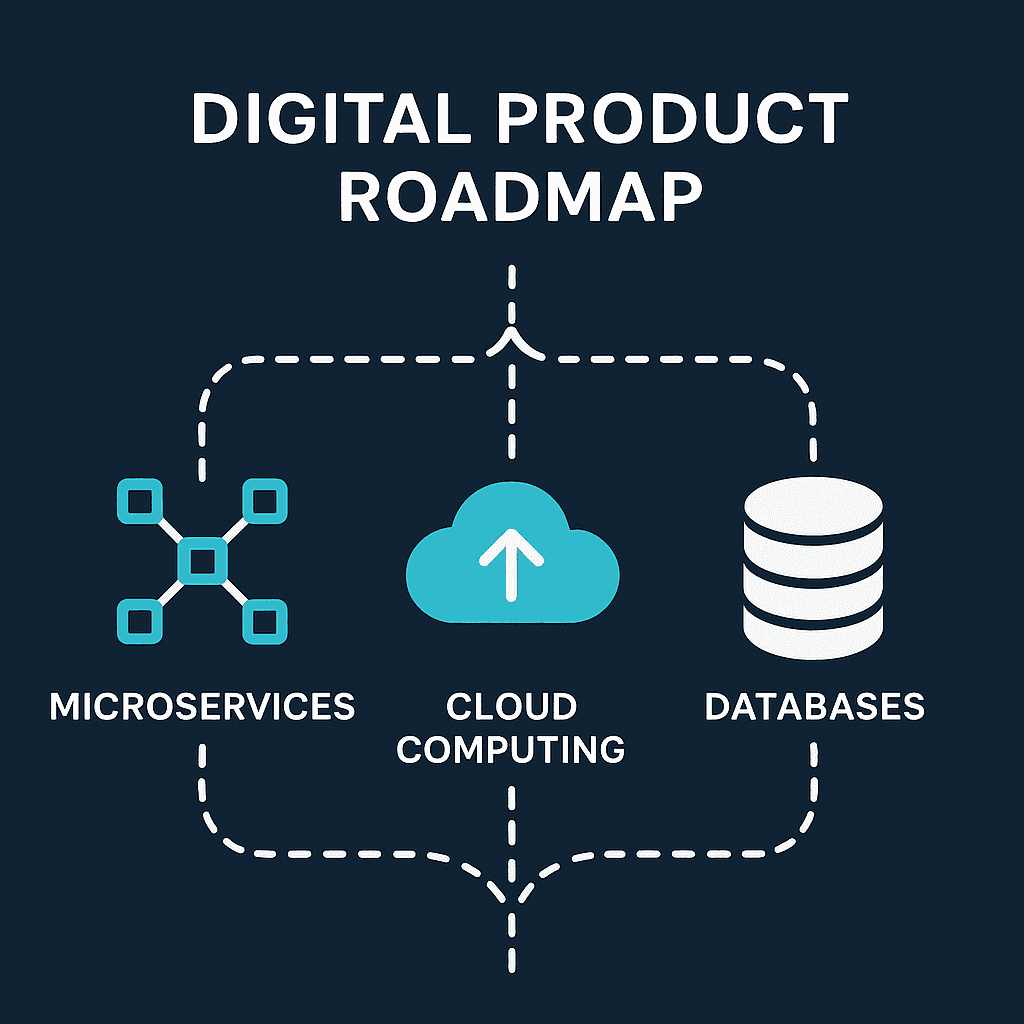
Microservices architecture involves breaking down a digital product into smaller, independent services that communicate through APIs. This approach allows each service to be scaled independently, enhancing flexibility and minimizing the risk of system-wide failure. By adopting microservices, businesses can update or modify specific components without affecting the entire system.
2. Implement Load Balancing
Load balancing distributes incoming network traffic across multiple servers, ensuring no single server is overwhelmed. This not only improves performance but also enhances system reliability by providing redundancy. Load balancing is essential for maintaining a seamless user experience, particularly during peak usage times.
3. Utilize Cloud Solutions
Cloud computing offers scalable infrastructure that can be adjusted based on current demands. By leveraging cloud services like AWS, Azure, or Google Cloud, businesses can dynamically scale resources up or down, optimizing costs while maintaining performance. Cloud solutions also provide robust tools for monitoring and automating scalability processes.
4. Optimize Database Performance
Efficient database management is vital for scalability. Consider implementing database sharding, which involves partitioning data across multiple databases to enhance performance. Additionally, use indexing and caching strategies to minimize data retrieval times and reduce server load.
5. Prioritize Code Quality and Testing
High-quality code is the foundation of a scalable digital product. Employ coding best practices, such as clean code principles and thorough documentation, to ensure maintainability. Regular testing and continuous integration (CI) processes help identify potential issues early, reducing the likelihood of costly rewrites in the future.
Conclusion
Building scalable digital products requires foresight and strategic planning. By embracing microservices architecture, implementing load balancing, utilizing cloud solutions, optimizing database performance, and prioritizing code quality, businesses can create robust products that grow alongside their user base. At FamIT Solutions and Technologies, we are committed to helping you design and develop digital products that are both scalable and sustainable, ensuring your business remains competitive in the ever-evolving tech landscape.
Contact us today to learn more about our IT services and how we can assist you in building digital products that scale without rewrites.
Share this article
Help others discover this content