How Decentralized Systems Are Revolutionizing Data Ownership
How Decentralized Systems Are Revolutionizing Data Ownership
In the age of information, the way data is stored, accessed, and owned is undergoing a profound transformation. Centralized systems, long the standard, are being challenged by decentralized alternatives that promise greater control, security, and autonomy for users. But what exactly are decentralized systems, and how are they changing the landscape of data ownership? In this blog post, we explore these questions and delve into the implications for individuals and businesses alike.
Understanding Decentralized Systems
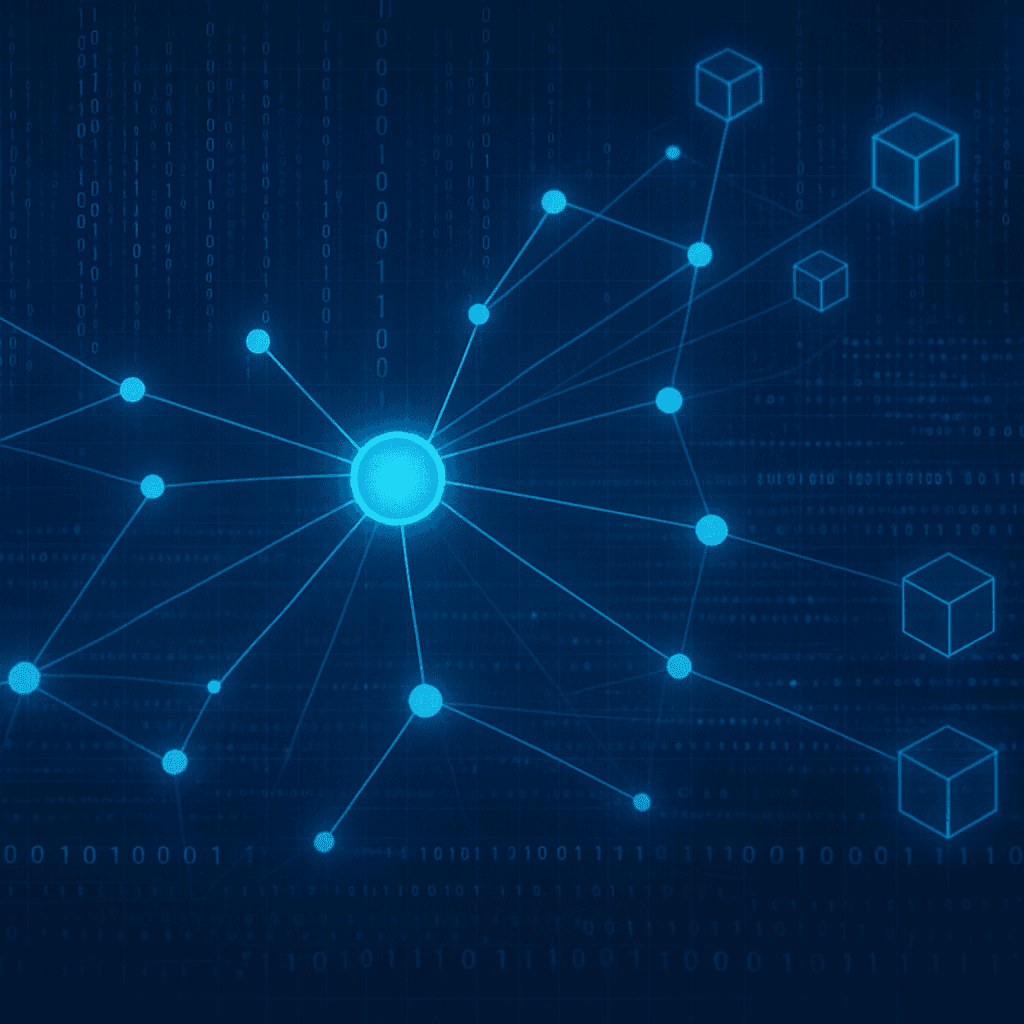
Decentralized systems are networks where data and control are distributed across multiple nodes, rather than being stored in a single, central location. This approach offers several advantages over traditional centralized models, including increased security, transparency, and resilience.
Key Features of Decentralized Systems
- Autonomy: Users have greater control over their data, as it is not owned or managed by a central authority.
- Security: Data is less vulnerable to single points of failure or targeted attacks.
- Transparency: Transactions and data exchanges are often recorded on public ledgers, improving accountability.
- Resilience: The distributed nature of decentralized systems makes them more robust against failures or disruptions.
The Shift in Data Ownership
Traditionally, data has been controlled by large corporations that collect, store, and monetize it. However, the rise of decentralized systems is shifting this paradigm, empowering individuals to reclaim ownership of their personal information.
Empowering Individuals
Decentralized systems give users the ability to manage and control their own data, reducing dependence on third-party providers. This shift can lead to several benefits:
- Increased Privacy: Users can decide what information is shared and with whom, enhancing personal privacy.
- Data Portability: Individuals can move their data across platforms without losing control or access.
- Monetization Opportunities: Users can directly monetize their data, rather than allowing corporations to profit from it.
Impact on Businesses and Industries
As data ownership shifts, businesses must adapt to new models that prioritize user control and security. This change presents both challenges and opportunities:
Challenges for Traditional Models
Businesses that rely on centralized data control may face several challenges:
- Regulatory Compliance: New regulations may require companies to adjust their data handling practices.
- Trust and Transparency: Companies must build trust by demonstrating ethical data usage and transparency.
Opportunities for Innovation
For forward-thinking companies, decentralized systems offer new avenues for innovation and growth:
- Enhanced User Engagement: By prioritizing user control, businesses can foster stronger relationships with their customers.
- New Business Models: Decentralized finance (DeFi) and other innovative models present new market opportunities.
Conclusion
Decentralized systems are reshaping the landscape of data ownership, offering individuals more control and privacy while challenging businesses to adapt to new paradigms. As this shift continues, the balance of power in the digital world is moving towards users, promising a more equitable and secure future for all. By embracing these changes, businesses and individuals alike can harness the full potential of decentralized systems.
Share this article
Help others discover this content