How Progressive Web Apps Bridge Web and Mobile Experience
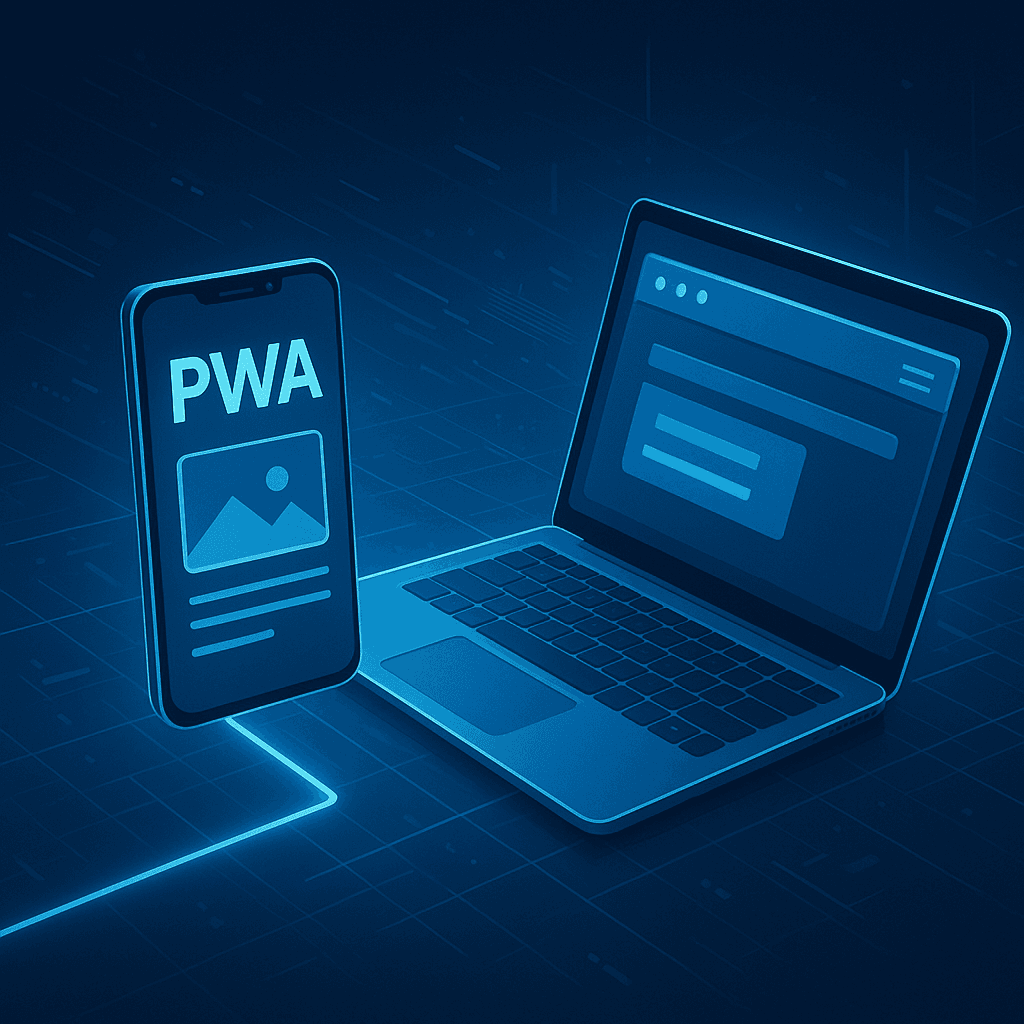
How Progressive Web Apps Are Bridging the Gap Between Web and Mobile
In today's rapidly evolving digital landscape, user expectations for seamless and responsive experiences are higher than ever. Progressive Web Apps (PWAs) have emerged as a revolutionary solution, effectively bridging the gap between traditional web and mobile applications. As the line between these platforms continues to blur, PWAs offer an innovative approach to delivering high-quality user experiences across devices. In this blog post, we will delve into the intricacies of PWAs and explore how they are reshaping the future of web and mobile integration.
Understanding Progressive Web Apps
Progressive Web Apps are web applications that leverage modern web technologies to provide an app-like experience directly through a web browser. Unlike traditional mobile apps, PWAs do not require installation from an app store, making them easily accessible and reducing friction for users. Key technologies enabling PWAs include Service Workers, Web App Manifests, and HTTPS, which collectively enhance functionality, reliability, and security.
Key Features of PWAs
- Responsive Design: PWAs are designed to work on any device or screen size, ensuring a consistent user experience across platforms.
- Offline Access: With Service Workers, PWAs can cache resources, enabling offline functionality and reducing reliance on network connectivity.
- App-Like Experience: PWAs offer features such as push notifications, home screen installation, and full-screen mode, mimicking native app behaviors.
- Secure Connection: Operating over HTTPS ensures data integrity and security, building trust with users.
The Benefits of PWAs
Progressive Web Apps offer a myriad of advantages for businesses and users alike, making them an attractive option for organizations seeking to optimize their digital presence.
Enhanced User Engagement
PWAs provide a smooth and engaging user experience by combining the best of web and mobile app functionalities. Features like push notifications and offline access keep users engaged and informed, leading to increased interaction and retention rates.
Cost-Effective Development
Developing a single PWA that works across multiple platforms is more cost-effective than creating separate native apps for iOS and Android. This unified approach not only reduces development time and costs but also simplifies maintenance efforts.
Improved Performance and Loading Speed
Thanks to caching and efficient resource management, PWAs load quickly, even in challenging network conditions. This rapid performance enhances user satisfaction and can positively impact search engine rankings, contributing to improved SEO.
Real-World Impact of PWAs
Numerous companies have successfully implemented Progressive Web Apps to elevate their digital offerings. For instance, businesses like Twitter, Starbucks, and Pinterest have reported significant improvements in user engagement and conversion rates after adopting PWAs.
Case Study: Twitter Lite
Twitter's PWA, known as Twitter Lite, was developed to provide a fast and data-efficient experience for users in regions with limited connectivity. The PWA led to a 65% increase in pages per session and a 75% boost in tweets sent, demonstrating the tangible benefits of embracing this technology.
Conclusion
Progressive Web Apps are proving to be a game-changer in the digital realm, effectively bridging the gap between web and mobile platforms. By offering a seamless, fast, and engaging experience, PWAs are redefining how businesses and users interact online. As technology continues to evolve, embracing PWAs will be crucial for organizations seeking to stay ahead in the competitive landscape of digital experiences. At FamIT Solutions and Technologies, we are committed to helping businesses harness the power of PWAs to deliver exceptional user experiences and drive growth in the ever-changing digital world.
Share this article
Help others discover this content