The Rise of Intelligent Automation: Transforming Modern Work
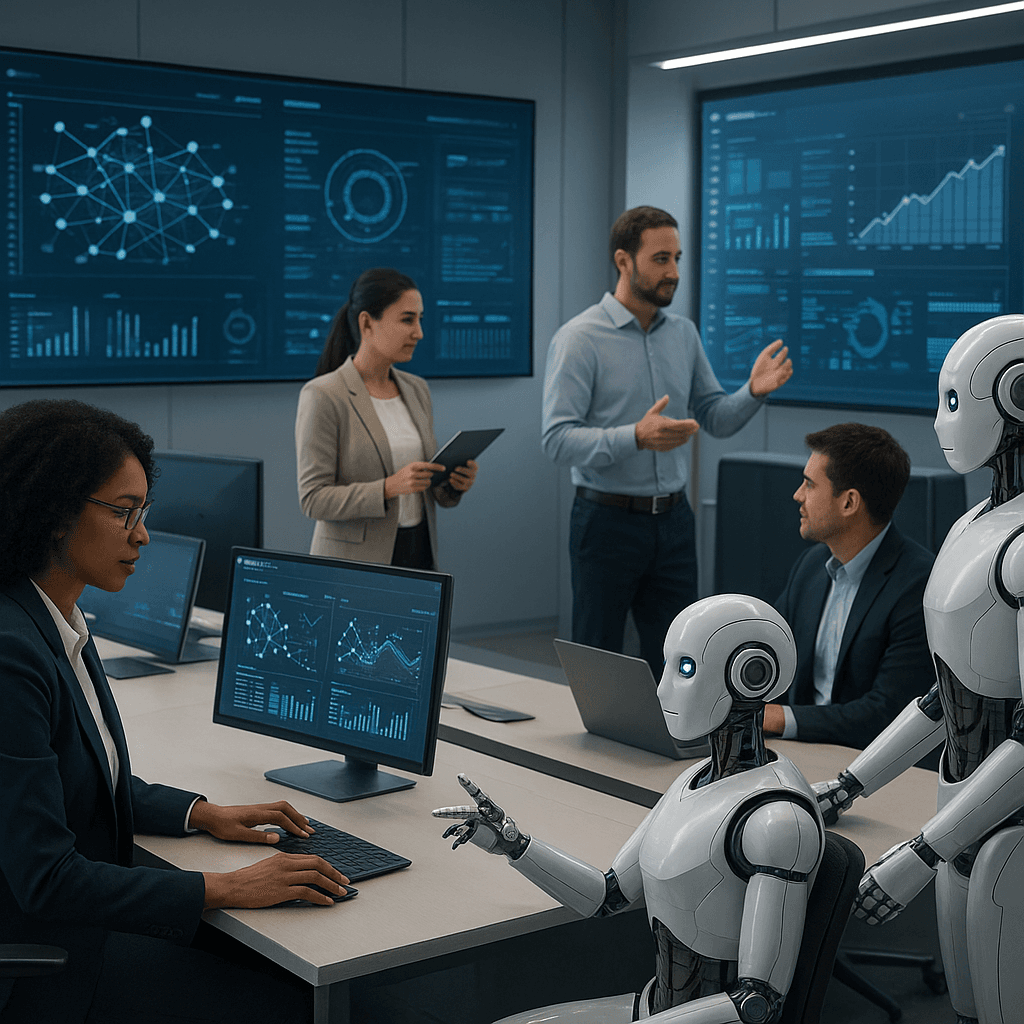
The Rise of Intelligent Automation: How Smart Systems Are Redefining Work
In recent years, the evolution of technology has led to the emergence of intelligent automation, a phenomenon that is fundamentally transforming the way we work. From streamlining processes to enhancing decision-making, intelligent systems are becoming an integral part of modern workplaces. In this blog post, we'll delve into how smart systems are redefining work and what it means for businesses and employees alike.
Understanding Intelligent Automation
Intelligent automation refers to the integration of artificial intelligence (AI) with automation technologies to create systems capable of performing tasks with minimal human intervention. These systems are designed to learn, adapt, and improve over time, making them more effective and efficient than traditional automation solutions.
The Key Components of Intelligent Automation
- Artificial Intelligence: AI algorithms and machine learning models that enable systems to process data, recognize patterns, and make decisions.
- Robotic Process Automation (RPA): Software robots that automate repetitive and rule-based tasks, freeing up human workers for more complex activities.
- Data Analytics: Advanced analytics tools that process and analyze vast amounts of data to provide actionable insights.
How Intelligent Automation is Redefining Work
The impact of intelligent automation on work environments is profound, affecting everything from job roles to organizational structures. Here are some of the key ways smart systems are redefining work:
Enhancing Efficiency and Productivity
One of the most significant benefits of intelligent automation is its ability to enhance efficiency and productivity. By automating routine tasks, businesses can reduce errors, lower costs, and increase output, allowing employees to focus on more strategic initiatives.
Improving Decision-Making
Intelligent systems are equipped to analyze large datasets quickly and accurately, providing organizations with valuable insights. This data-driven approach enables better decision-making, optimizing processes and strategies across various business functions.
Transforming Job Roles
As automation takes over mundane tasks, job roles are inevitably shifting. Employees are now required to develop new skills, particularly in areas like AI management, data analysis, and strategic planning. This shift is fostering a more skilled and innovative workforce.
Driving Innovation
With intelligent automation handling routine tasks, companies have more resources to invest in innovation. This leads to the development of new products, services, and business models, helping organizations stay competitive in an ever-evolving market.
The Challenges of Intelligent Automation
Despite its many benefits, the rise of intelligent automation is not without challenges. Here are some potential hurdles businesses may face:
Workforce Displacement
The automation of tasks can lead to workforce displacement, as machines take over roles traditionally performed by humans. To mitigate this, businesses must invest in retraining and upskilling their workforce.
Data Privacy and Security
With increased reliance on data-driven systems, ensuring data privacy and security becomes crucial. Companies must implement robust measures to protect sensitive information and comply with regulations.
Integration and Implementation
Integrating intelligent automation into existing systems can be complex and costly. Organizations need to carefully plan and execute these implementations to avoid disruptions and maximize benefits.
Conclusion: Embracing the Future
Intelligent automation is undoubtedly reshaping the landscape of modern work. While it presents challenges, the opportunities for enhanced efficiency, innovation, and growth are immense. By strategically adopting and integrating intelligent systems, businesses can not only improve their operations but also pave the way for a more dynamic and forward-thinking workforce. It is an exciting time for organizations willing to embrace the future of work.
Share this article
Help others discover this content