Unleashing Predictive Analytics: Transforming Business Decisions
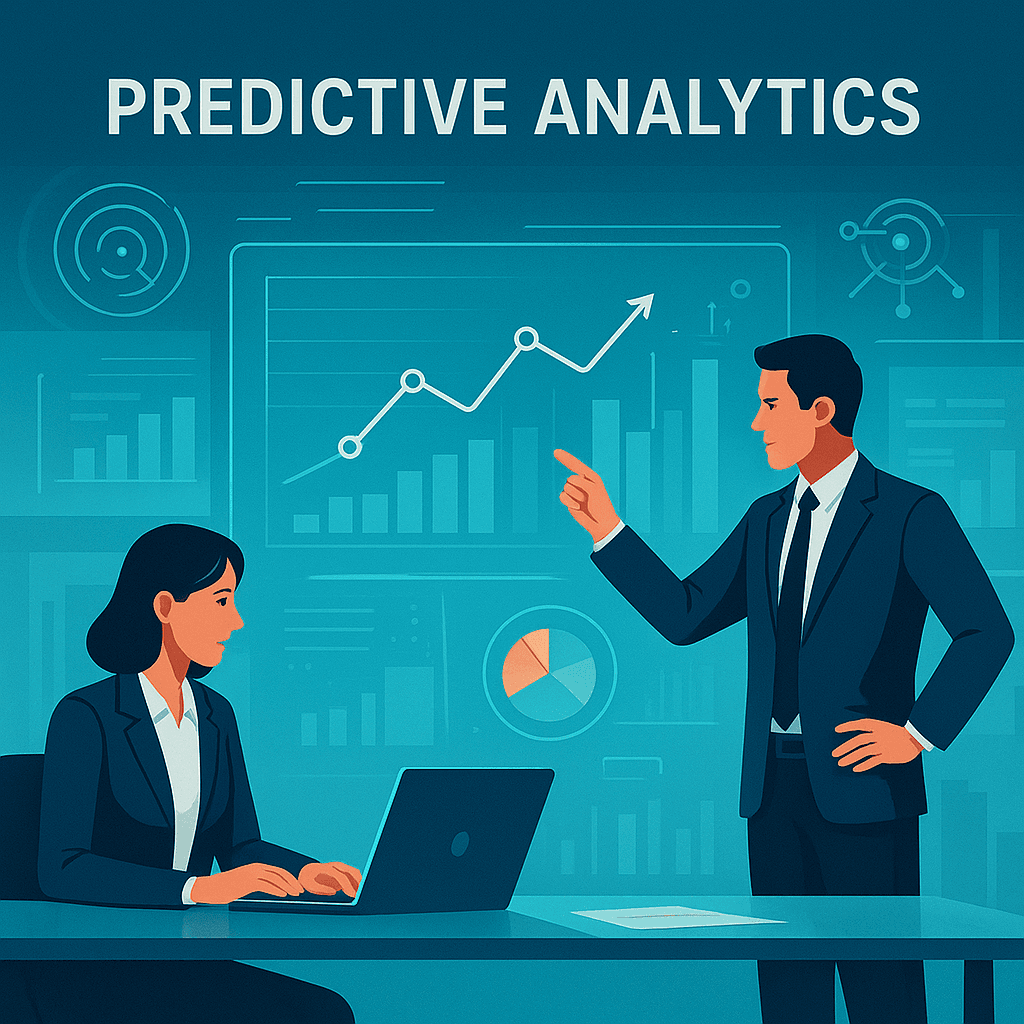
The Power of Predictive Analytics in Business Decision-Making
In the rapidly evolving landscape of business, staying ahead of the competition is crucial. One of the most powerful tools at the disposal of modern enterprises is predictive analytics. This cutting-edge technology leverages historical data to forecast future trends, enabling businesses to make informed decisions that drive growth and efficiency.
Understanding Predictive Analytics
Predictive analytics involves using statistical algorithms and machine learning techniques to identify the likelihood of future outcomes based on historical data. By analyzing current and past data, businesses can uncover patterns and trends that might otherwise go unnoticed. This approach not only helps in anticipating future events but also in formulating strategies to address potential challenges.
How Does Predictive Analytics Work?
At its core, predictive analytics relies on data collection, data modeling, and model deployment:
- Data Collection: Gathering data from various sources such as customer interactions, sales records, and market research.
- Data Modeling: Using algorithms to recognize patterns and relationships within the data.
- Model Deployment: Applying these models to new data to predict future outcomes.
Benefits of Predictive Analytics in Business
Predictive analytics offers numerous benefits that empower businesses to make insightful decisions:
1. Improved Decision-Making
By providing data-driven insights, predictive analytics enables businesses to make informed decisions. This reduces the reliance on gut feeling and intuition, leading to more reliable outcomes.
2. Enhanced Operational Efficiency
Predictive analytics can streamline operations by optimizing resources and reducing waste. For instance, by predicting demand, companies can adjust their inventory levels, thus minimizing costs and maximizing efficiency.
3. Better Customer Insights
Understanding customer behavior is pivotal for any business. Predictive analytics helps in segmenting customers and tailoring products and services to meet their needs, thereby enhancing customer satisfaction and loyalty.
4. Risk Mitigation
By forecasting potential risks, predictive analytics allows businesses to develop strategies to mitigate them. This proactive approach ensures a more stable and secure operational environment.
Applications of Predictive Analytics
Predictive analytics is not limited to a specific industry; it has a wide range of applications across various sectors:
Financial Services
In finance, predictive analytics is used to forecast market trends, assess credit risks, and detect fraudulent activities. This helps financial institutions in minimizing risks and maximizing returns.
Healthcare
In healthcare, predictive analytics assists in predicting disease outbreaks, patient admission rates, and treatment outcomes. This leads to better resource allocation and improved patient care.
Retail
Retailers use predictive analytics to understand customer preferences, optimize pricing strategies, and manage inventory effectively. This enhances customer experience and increases sales.
Challenges and Considerations
While predictive analytics offers significant advantages, it is not without challenges:
Data Quality
The accuracy of predictions depends heavily on the quality of the data. Incomplete or biased data can lead to erroneous outcomes.
Complexity
Implementing predictive analytics requires expertise in data science and an understanding of complex algorithms. Businesses must invest in training and development.
Privacy Concerns
With growing concerns over data privacy, businesses must ensure that they comply with regulations and protect sensitive information.
Conclusion
Predictive analytics is revolutionizing the way businesses operate by providing them with valuable insights into future trends and challenges. By embracing this technology, companies can not only enhance their decision-making processes but also gain a competitive edge in their respective industries. As technology continues to advance, the potential of predictive analytics in business decision-making is bound to grow, making it an indispensable tool in the digital age.
Share this article
Help others discover this content